
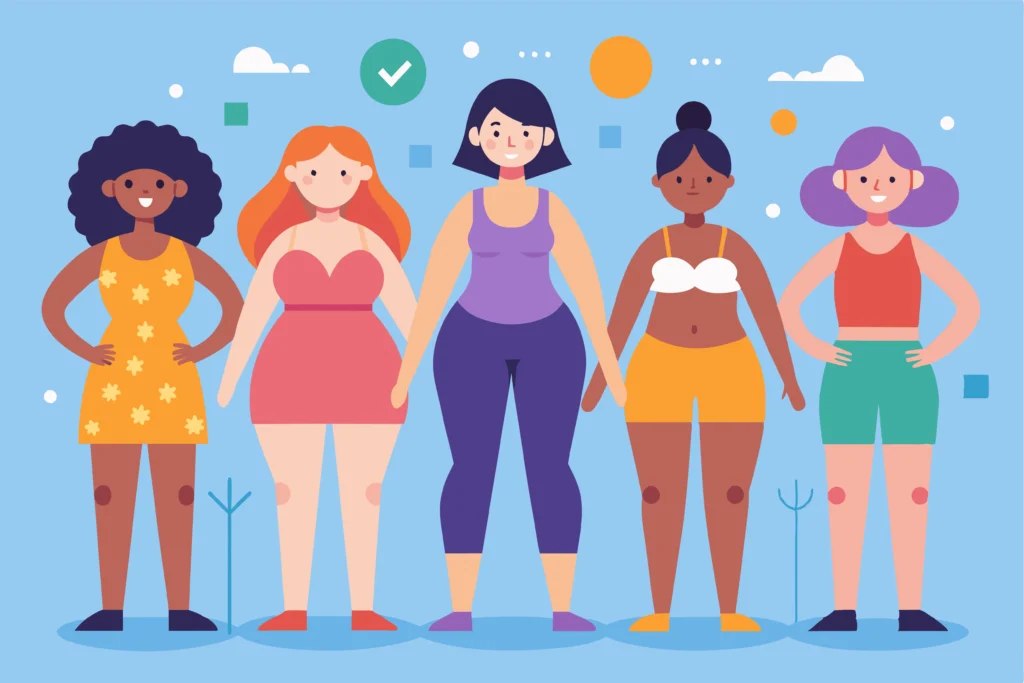
Obesity, a global epidemic, extends far beyond the physical body, infiltrating the mental, emotional, and social realms of those affected – especially women. As with many diseases, the toll of obesity is not merely physical; it also manifests in deep-seated discrimination and social exclusion. Throughout history, disease has often been linked to discrimination, with societies displaying apathy, and at times, even hostility, towards those suffering from certain conditions. While some argue that this behavior stems from a desire to protect loved ones or communities, the reality is often more complex, involving socioeconomic factors and even survival instincts. It is also true that people with less economic resources are evidently more affected by disease, both in number and in gravity.
Obesity, despite not being contagious, is no exception to this pattern of discrimination. A growing number of people, including civilians, employers, and healthcare professionals, exhibit bias against those living with obesity. Strikingly, this discrimination seems to affect women more severely than men, pointing to a troubling gender dynamic. This bias not only impacts social interactions but also hinders women’s professional opportunities. Numerous studies have shown that women living with obesity are frequently overlooked for promotions, earn lower wages, and are less likely to be hired due to their weight.
The Economic Toll of Obesity on Women

Research underscores the clear link between a woman’s weight and her economic prospects. Women with obesity often face significant economic disadvantages, earning about 10% less than their thinner peers. This disparity is rooted in societal beliefs that thin women are more competent and accomplished, as well as concerns that women with obesity may incur higher healthcare costs for employers. Notably, this form of discrimination is predominantly directed at women, with men not facing the same bias due to their weight.
While the scientific community recognizes obesity as a complex, multifactorial condition with no simple “cure,” this understanding has yet to permeate mainstream society. A 2016 study published in the journal Obesity highlights that many people underestimate the influence of factors such as sleep, stress, and genetics on weight management, often attributing weight loss solely to diet and exercise. In reality, obesity is shaped by a myriad of factors, including hormones, genetics, psychology, and public health policies. Unfortunately, few people outside the scientific community fully grasp the complexity of the obesity epidemic.
Beyond Physical Health: The Social Stigma of Obesity in Women

In present society, a woman’s weight can unduly influence her professional success, a reality that should not exist. Weight is not an indicator of discipline, organization, leadership, problem-solving abilities, or communication skills. Instead, it reflects the complex socio-cultural, economic, political, and scientific contexts in which a person lives, and no professional career should be negatively impacted because of this.
The physical health risks associated with obesity – such as diabetes, cardiovascular disease, hypertension, stroke, and even cancer – are well-known. However, we have yet to fully acknowledge the social and professional costs of obesity for women in modern society. Quality of life encompasses more than just physical health; it includes the ability to pursue any job based on merit and skills, not physical appearance. In a world where women are being denied professional and social opportunities because of their weight, obesity research is more critical than ever. A gender perspective is essential in advocating for fair treatment in the workplace. And so is effective scientific communication that can clearly convey that the obesity epidemic worsens every year and that is a complex public health problem that requires a compound solution.
References
World Health Organization. (n.d.). Controlling the global obesity epidemic. World Health Organization. Retrieved August 29, 2024, from https://www.who.int/activities/controlling-the-global-obesity-epidemic
The Economist. (2022, December 20). The economics of thinness. The Economist. https://www.economist.com/christmas-specials/2022/12/20/the-economics-of-thinness
Wells, J. C., Marphatia, A. A., Cole, T. J., & McCoy, D. (2012). Associations of economic and gender inequality with global obesity prevalence: understanding the female excess. Social science & medicine (1982), 75(3), 482–490. https://doi.org/10.1016/j.socscimed.2012.03.029
You, W., & Henneberg, M. (2022). Significantly different roles of economic affluence in sex-specific obesity prevalence rates: understanding more modifications within female body weight management. Scientific reports, 12(1), 15757. https://doi.org/10.1038/s41598-022-19633-3
Las opiniones expresadas en este contenido son responsabilidad exclusiva del autor y no reflejan necesariamente la postura, valores u opiniones de WIOR.


