
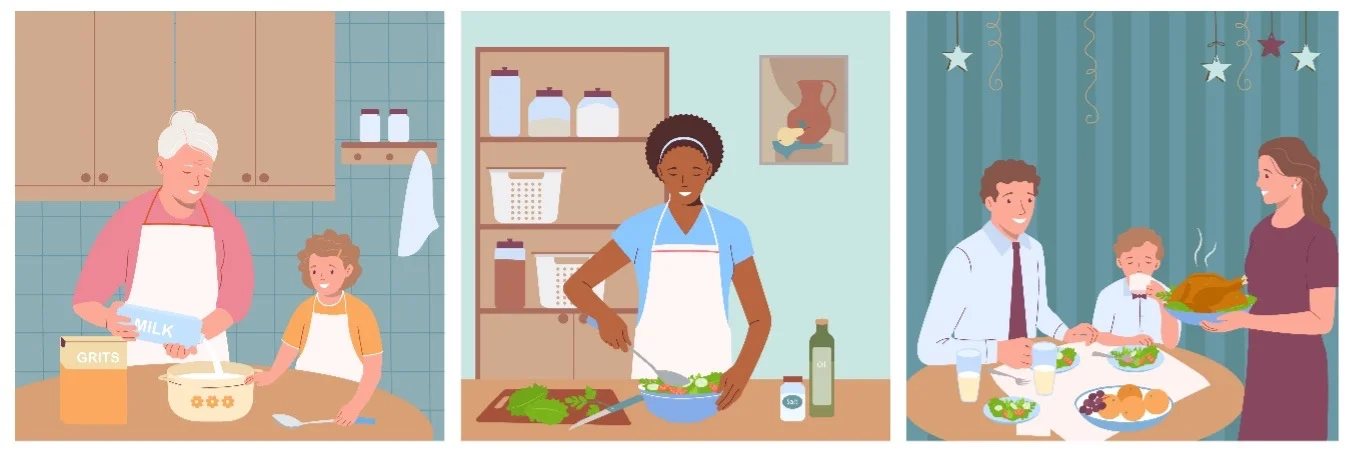
In every culture and society, women often bear the invisible (but foundational) responsibility for family nutrition and health. From planning meals to managing chronic conditions, their role is central. Nevertheless, this weight of responsibility is rarely acknowledged, and when combined with the pressures of overwork, it can jeopardize not only their own health but the well-being of the entire household. It is time to recognize and redress the imbalance.
The Crucial Role of Women in Family Nutrition & Health

Women often serve as the “health caretakers” in the household, scheduling medical visits, making decisions about food, preparing meals, and monitoring the diets of children, spouses, and elderly relatives. This role is vital for several reasons:
- Early Nutrition Decisions Shape Long-Term Health. The choices made in infancy and childhood (breastfeeding, complementary feeding, food diversity, meal regularity) lay the foundation for metabolic health, risk of obesity, and other non-communicable diseases.
- Chronic Disease Management and Prevention. In families with a predisposition to diabetes, hypertension, obesity, or cardiovascular risk, women often manage medication schedules, dietary constraints, grocery shopping, and meal adaptations.
- Behavior Modeling and Education. Children and spouses learn by example: when women adopt healthier habits, they influence those around them.
- Resource Allocation and Food Security. In many societies, women manage the household budget for food, decide which items to purchase, and balance the need for affordability with the importance of nutrition.
The Heavy Toll of Excessive Work
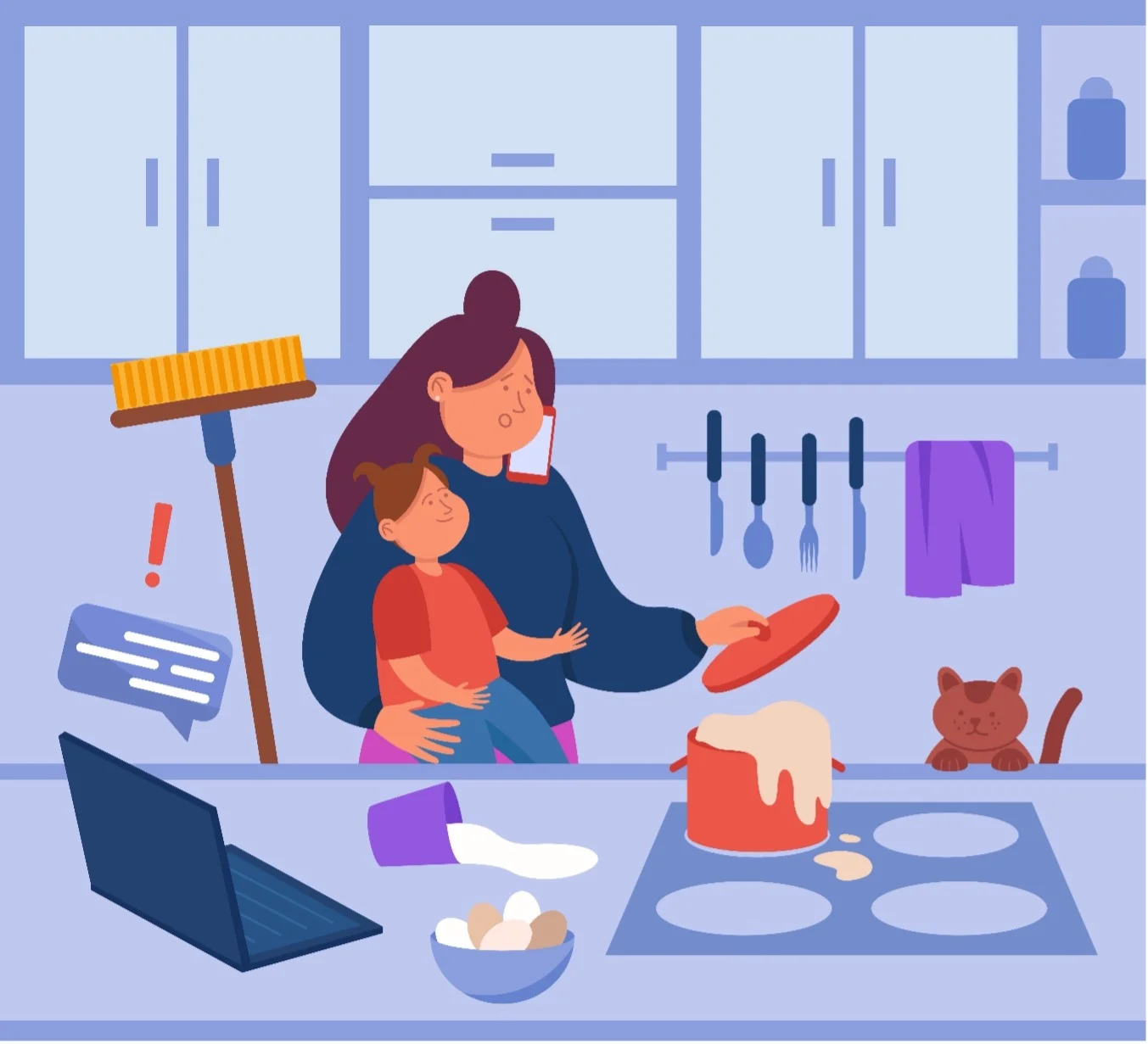
Women often face an overwhelming array of responsibilities, including paid employment, domestic labor, emotional labor, and caregiving. Overwork has a profound impact on health, particularly in the areas of nutrition and metabolic outcomes. When women face the burden of excessive work, the consequences often unfold in subtle but damaging ways. Limited time pushes them toward ultra-processed, calorie-dense foods, since preparing balanced meals becomes increasingly difficult. Chronic stress further complicates the picture, elevating cortisol levels that favor fat accumulation and disrupt glucose regulation. During these pressures, self-care is usually the first sacrifice, reducing exercise practice, rest, and preventive health visits are postponed or abandoned altogether. Fatigue then builds into emotional overload, which can trigger disordered eating patterns such as bingeing or meal skipping. Importantly, this stress does not remain confined to the individual; it spills into the household, shaping children’s habits and creating a tense atmosphere around food and daily routines.
The Additional Strain in Low-Income Countries (LICs)
For women in LICs, these challenges are intensified by structural barriers, for example:
- Food Insecurity and Nutrient Deficiencies
Women are often the first to sacrifice their meals to feed children or elders, leading to macronutrient (e.g., protein) and micronutrient deficiencies (e.g., iron) that weaken their own health while compromising pregnancy outcomes and child growth. - Double Burden of Malnutrition
In many LIC settings, undernutrition and obesity coexist. Women working long hours in informal labor markets may rely on cheap, energy-dense street foods, exposing them and their families to both nutrient deficiencies and obesity risk. - Lack of Access to Health Services
Overworked women in rural and peri-urban areas often face limited access to preventive care, maternal health services, or obesity management programs. Even when services are available, time, cost, and mobility constraints limit their use. - Water, Sanitation, and Food Safety Challenges
Women in many LICs spend significant hours fetching water or fuel, leaving less time for preparing safe, nutritious meals. Contaminated water or unsafe food storage increases the risks of gastrointestinal disease, further complicating nutrition. - Gender Inequality and Informal Work
Women frequently juggle unpaid domestic labor with informal jobs in markets, agriculture, or factories, often without social protection or maternity benefits. The physical and emotional toll leaves little space for prioritizing nutrition and self-care. - Impact on the Next Generation
Maternal overwork and undernutrition are linked to low birthweight, stunting, and long-term metabolic risk in children. Breastfeeding rates are considerably diminishing. In low-income countries, this perpetuates cycles of poor health across.
A Call to Acknowledge and Empower
The health of families, communities, and societies depends significantly on the invisible labor of women in sustaining nutrition and wellbeing. In low-income countries, this invisible labor is multiplied by systemic barriers, poverty, and gender inequities, such as food deserts. Without recognition and targeted support, the double burden of malnutrition will persist. We must shift the narrative: women are not solely responsible for family nutrition. They are partners in health, whose empowerment, through education, structural support, and policy change, is essential to breaking cycles of obesity, undernutrition, and ill health across generations.
Las opiniones expresadas en este contenido son responsabilidad exclusiva del autor y no reflejan necesariamente la postura, valores u opiniones de WIOR
